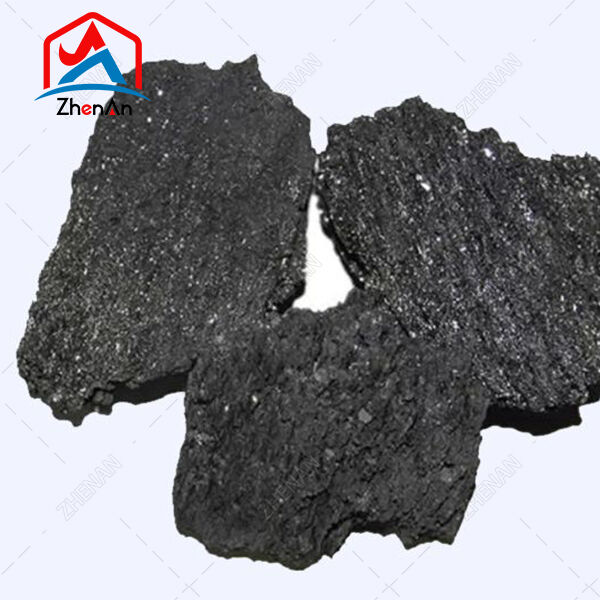
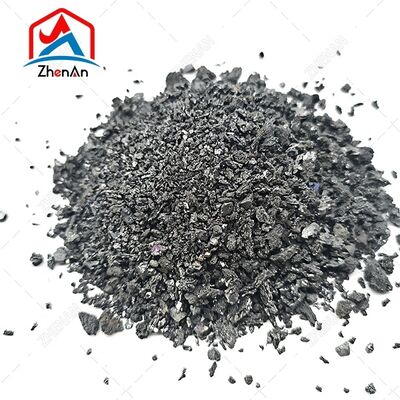
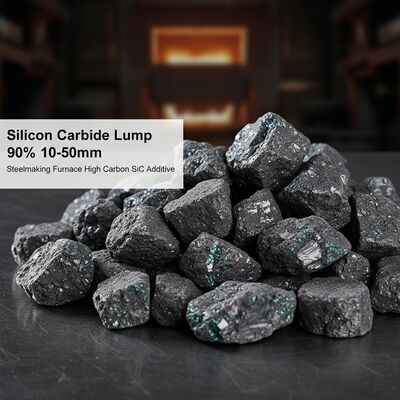
Premium Silicon Carbide Lump 90% (10-50mm) - High-Calorie Furnace Additive for Steelmaking
- Max Thermal Recovery: High-purity 90% SiC provides an intense exothermic reaction, significantly boosting furnace temperature without extra power.
- Heavy-Duty Lump Sizing: The 10-50mm robust structure ensures the material reaches the bottom of the scrap charge, preventing premature oxidation.
- Superior Deoxidation: Rapidly scavenges oxygen to produce cleaner steel with fewer non-metallic inclusions and improved internal soundness.
- Cost-Efficient Alloying: A high-density substitute for Ferrosilicon and high-carbon raisers, reducing total charge costs by up to 20%.
- ZhenAn Quality Assurance: Factory-direct supply with zero "fines" contamination and full ISO/SGS certification for high-volume steel plants.
The Metallurgical Impact of SiC 90% Lumps
In large-capacity Electric Arc Furnaces (EAF) and Basic Oxygen Furnaces (BOF), the physical integrity of additives is as vital as their chemistry. ZhenAn's 10-50mm SiC Lumps are engineered to survive the mechanical impact of heavy scrap charging. Once the melting phase begins, the high-purity SiC dissociates to provide a potent source of active Silicon and Carbon.
The primary reaction path in the furnace hearth is:
The resulting CO gas promotes a vigorous "boil" in the bath, which helps in the removal of hydrogen and nitrogen, leading to higher-quality steel grades.
Strategic Advantages for Steel Mill Operations
1. Enhanced "Foamy Slag" Control
By reducing iron oxides in the slag, SiC 90% lumps facilitate the creation of a consistent foamy slag. This foam shields the furnace refractories from the intense heat of the electrodes, drastically reducing energy loss and extending the life of the furnace shell.
2. Chemical Fuel Source
The oxidation of Silicon Carbide is more exothermic than that of ferrosilicon. For mills looking to increase their scrap-to-hot-metal ratio, SiC 90% serves as a critical "heat riser," allowing for higher productivity and shorter tap-to-tap times.
3. Low-Sulfur Recarburization
ZhenAn SiC 90% contains negligible sulfur compared to metallurgical coke or anthracite. This allows steelmakers to hit tight sulfur specifications in high-performance alloy steels without the need for expensive secondary desulfurization.
Technical Specifications & Charge Parameters
The following table highlights the chemical and structural properties of ZhenAn 10-50mm SiC 90% Lumps, optimized for heavy industrial charging.
| Quality Indicator |
Standard Specification |
Physical Attribute |
Details |
| SiC Purity (Min) |
90.00% |
Size Distribution |
10 - 50 mm (95% Min) |
| Free Silicon (Si) |
≤0.8% |
Lump Hardness |
High (Low Friability) |
| Iron Oxide (Fe₂O₃) |
≤1.0% |
True Density |
3.20 g/cm³ |
| Phosphorus (P) |
≤0.03% |
Color |
Dark Metallic Grey |
| Nitrogen (N) |
≤0.01% |
Packaging |
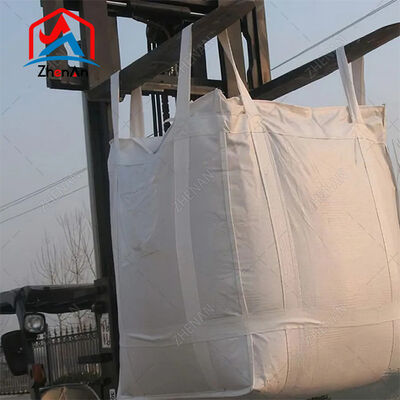
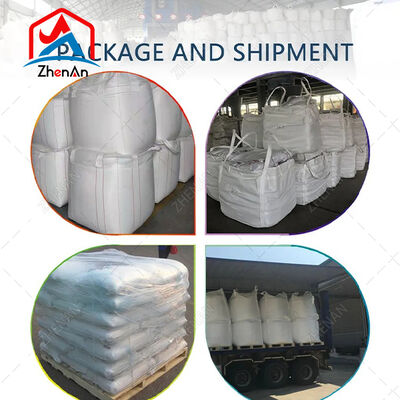
1mt / 1.5mt Big Bags |
Why Procurement Teams Rely on ZhenAn
- Sizing Precision: Our lumps are dual-screened to ensure that fine particles (which can be lost to the furnace exhaust) are removed before shipping.
- Exothermic Consistency: With a guaranteed 90% purity, furnace operators can rely on a consistent thermal input for every ton added.
- Global Distribution: ZhenAn specializes in large-scale maritime logistics, providing specialized moisture-proof packaging to ensure the material arrives in prime condition at any global port.
FAQ: Frequently Asked Questions
1. Why use 10-50mm lumps instead of smaller granules in a BOF?
In a Basic Oxygen Furnace (BOF), the turbulence and upward gas velocity are extreme. 10-50mm lumps have the necessary mass to sink through the slag and stay in the reaction zone, whereas smaller granules would be blown out of the furnace.
2. How does SiC 90% affect the recovery of other alloys?
By deoxidizing the bath early, SiC 90% creates a "reducing" environment. This prevents the oxidation of more expensive subsequent additions like Manganese, Chromium, or Vanadium, significantly increasing their recovery rates.
3. Is SiC 90% suitable for low-carbon steel production?
Yes, but the addition timing must be managed. Because SiC adds both Si and C, it is typically used during the initial melting stage or for slag conditioning, where the carbon can be balanced during the oxygen blow.
4. What is the storage requirement for large jumbo bags?
While SiC is chemically inert, we recommend storing the 1.5mt jumbo bags on a level, dry surface. ZhenAn's bags are UV-resistant and include a PE liner to prevent moisture pickup during long-term outdoor storage.
5. How does the exothermic heat of SiC compare to Ferrosilicon?
The reaction of SiC is roughly 30% more exothermic per unit of Silicon than the reaction of metallic Silicon. This "free heat" can significantly reduce the kWh per ton required to reach tapping temperatures.
6. Can ZhenAn provide a third-party certificate (e.g., SGS)?
Absolutely. We provide an internal COA with every shipment and frequently facilitate SGS, Bureau Veritas, or Intertek inspections at the port of loading to verify the 90% SiC content and the 10-50mm size distribution.